- English
- French
- German
- Portuguese
- Spanish
- Russian
- Japanese
- Korean
- Arabic
- Greek
- German
- Turkish
- Italian
- Danish
- Romanian
- Indonesian
- Czech
- Afrikaans
- Swedish
- Polish
- Basque
- Catalan
- Esperanto
- Hindi
- Lao
- Albanian
- Amharic
- Armenian
- Azerbaijani
- Belarusian
- Bengali
- Bosnian
- Bulgarian
- Cebuano
- Chichewa
- Corsican
- Croatian
- Dutch
- Estonian
- Filipino
- Finnish
- Frisian
- Galician
- Georgian
- Gujarati
- Haitian
- Hausa
- Hawaiian
- Hebrew
- Hmong
- Hungarian
- Icelandic
- Igbo
- Javanese
- Kannada
- Kazakh
- Khmer
- Kurdish
- Kyrgyz
- Latin
- Latvian
- Lithuanian
- Luxembou..
- Macedonian
- Malagasy
- Malay
- Malayalam
- Maltese
- Maori
- Marathi
- Mongolian
- Burmese
- Nepali
- Norwegian
- Pashto
- Persian
- Punjabi
- Serbian
- Sesotho
- Sinhala
- Slovak
- Slovenian
- Somali
- Samoan
- Scots Gaelic
- Shona
- Sindhi
- Sundanese
- Swahili
- Tajik
- Tamil
- Telugu
- Thai
- Ukrainian
- Urdu
- Uzbek
- Vietnamese
- Welsh
- Xhosa
- Yiddish
- Yoruba
- Zulu
How to Choose the Right Full Mask Respirator for Industrial Use?
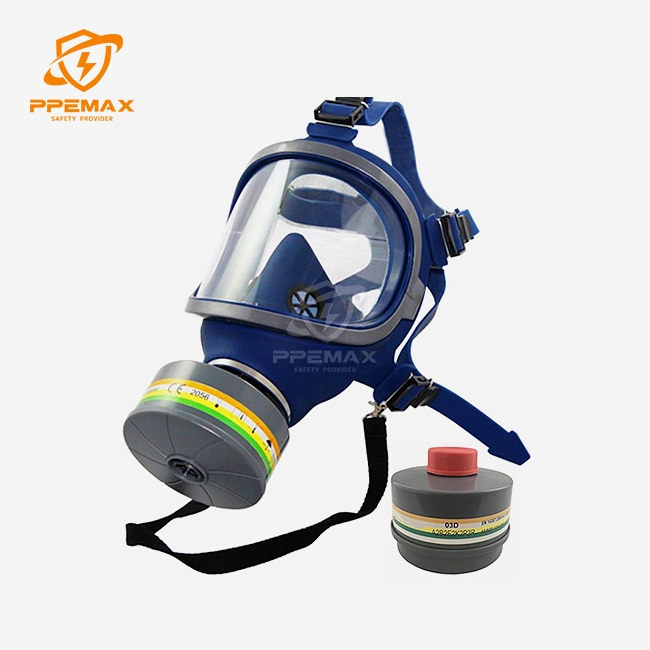
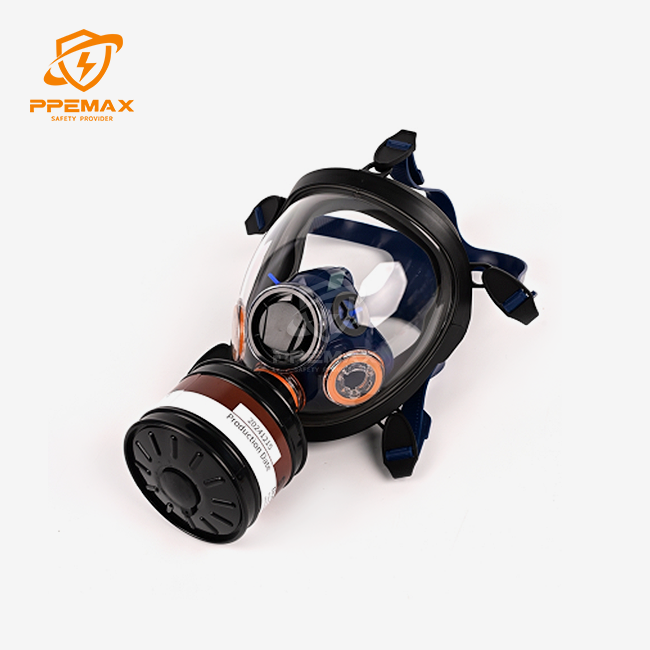
Selecting the appropriate respiratory protection equipment is critical for maintaining worker safety in hazardous environments. A Full Mask Respirator provides comprehensive facial coverage and superior protection against airborne contaminants, making it an essential component of personal protective equipment in various industrial settings. Unlike half-mask respirators, full-face models shield the entire face, including eyes, nose, and mouth, offering enhanced protection against toxic gases, vapors, particulates, and chemical splashes. Understanding the key factors in choosing the right Full Mask Respirator ensures your workforce receives optimal protection while maintaining comfort and operational efficiency. This guide will help you navigate the selection process, considering critical aspects such as hazard assessment, fit requirements, filter compatibility, and industry-specific applications.
What Features Should You Look for in a Full Mask Respirator?
Comfort and Ergonomic Design
When choosing a Full Mask Respirator, comfort is essential, especially for long-term wear. High-quality models use soft silicone face seals that fit various facial contours, minimizing air leaks and skin irritation. Balanced weight distribution prevents pressure points, while adjustable five-point harness systems allow a personalized fit. Many respirators include speech diaphragms for clear communication in noisy environments. Some advanced designs feature optional drinking tube systems, enabling hydration without removing the mask. All of these practical features work together to keep workers comfortable, safe, and well-protected during long shifts.
Visibility and Lens Quality
For safe, accurate work with a full mask respirator, you must be able to see. Premium models have plastic glasses that protect against chemicals and debris and have a wide field of view of 200 degrees. Mist doesn't form on anti-fog coats and dual-pane designs, so you can see well while you work out. Protection from UV light and steps taken to make the surface less likely to scratch make it last longer and be clearer. The filters in some respirators can be changed, so you can get new ones without having to throw away the old ones. In the long run, this saves cash. Quality lenses make sure that workers can see well, be aware of their surroundings, and do their jobs safely in a range of places.
Filter Compatibility and Connection Systems
How well a Full Mask Respirator works depends on how well it filters air and how well it works with other devices. For quick and safe filter mounting, high-quality models use standard bayonet connection methods. They support different types of filters, including particulate, gas, vapor, and mixture filters, to handle a wide range of workplace dangers. The two intake valves spread the wind out evenly, which makes breathing easier and less tiring. Exhalation valves that work well let air and wetness out, which keeps the mask from getting too hot. How to pick the best filters for your lungs depends on how well you know the risks in the workplace. A effective link and filter design makes it easier for workers to be safe, comfortable, and do their jobs well in tough conditions.
How Do You Ensure Proper Fit and Seal for a Full Mask Respirator?
Conducting Regular Fit Testing
Fit testing ensures a Full Mask Respirator provides proper protection by verifying an effective facial seal. OSHA requires annual fit testing for all tight-fitting respirators. Quantitative tests use instruments to measure leakage, while qualitative tests rely on harmless agents to detect leaks during movement and breathing. Each worker’s fit test results should be documented as part of a safety program. Because facial structures vary—due to hair, scars, or weight changes—testing should be repeated after significant facial changes or when switching mask models. Regular fit testing ensures consistent protection and compliance with safety standards.
Understanding Seal Check Procedures
Daily seal checks are vital for maintaining a Full Mask Respirator’s effectiveness. Positive pressure tests involve exhaling gently while covering the exhalation valve—no air should escape. Negative pressure tests require blocking filter inlets and inhaling; the mask should slightly collapse without leaks. These checks take seconds but prevent dangerous exposure. Workers must be trained that seal checks complement, not replace, formal fit testing. Employers should offer various sizes and models to ensure a proper fit for all users before entering hazardous areas. Regular seal checks uphold safety and prevent respiratory hazards in the workplace.
Addressing Common Fit Challenges
Several issues can compromise a Full Mask Respirator’s seal. Facial hair is the most common problem—even short stubble allows air leaks, so clean-shaven policies are essential. Glasses with temple bars can break the seal, so workers should use prescription lens inserts or compatible mask models. Individual facial features may also affect fit, requiring different sizes or brands to achieve a secure seal. Offering multiple Full Mask Respirator options ensures both comfort and protection, demonstrating an organization’s commitment to worker safety and long-term respiratory health in demanding environments.
What Industries and Applications Require Full Mask Respirators?
Chemical and Pharmaceutical Manufacturing
Chemical processing and pharmaceutical manufacturing environments present complex respiratory hazards that demand the comprehensive protection of a Full Mask Respirator. These industries involve exposure to toxic gases, corrosive vapors, and hazardous particulates that can cause immediate or long-term health effects through inhalation or eye contact. A Full Mask Respirator provides simultaneous respiratory and eye protection, which is critical when handling volatile organic compounds, acids, bases, and reactive chemicals. In pharmaceutical settings, worker protection against potent active pharmaceutical ingredients (APIs) requires not only appropriate filtration but also complete facial coverage to prevent mucous membrane exposure. The versatility of a Full Mask Respirator allows workers to switch between different filter cartridges based on specific tasks—particulate filters for handling powdered materials, organic vapor cartridges for solvent operations, or combination filters for processes involving multiple contaminant types. Xi'An PPE MAX Co., Ltd has supplied Full Mask Respirators to chemical and pharmaceutical facilities worldwide since 1956, with products certified to meet NIOSH, EN 136, and AS/NZS 1716 standards. The durability and reusability of quality Full Mask Respirators make them cost-effective solutions for these industries, where respiratory protection is required throughout entire shifts.
Construction and Mining Operations
Construction and mining operations expose workers to high concentrations of respirable dust, silica, asbestos, and other hazardous particulates that pose serious long-term health risks. A Full Mask Respirator offers superior protection compared to disposable respirators, particularly in environments with variable or unknown contaminant concentrations. Underground mining operations may also involve exposure to diesel particulates and potentially oxygen-deficient atmospheres, situations where a properly selected Full Mask Respirator with appropriate filters is essential. Construction activities such as demolition, concrete cutting, sandblasting, and spray painting generate both particulate and chemical vapor hazards that require the comprehensive protection of a Full Mask Respirator. The robust construction of industrial-grade Full Mask Respirators withstands the demanding conditions of these work environments, including extreme temperatures, high humidity, and physical impacts. Models with reinforced lens materials protect against flying debris while maintaining optical clarity. The ability to quickly change filters allows workers using a Full Mask Respirator to adapt to different tasks throughout the workday without changing respirators. Xi'An PPE MAX Co., Ltd manufactures Full Mask Respirators with features specifically suited to these challenging applications, including easy-to-clean surfaces that facilitate hygiene in dusty environments and adjustable harness systems that accommodate hard hats and other protective equipment.
Emergency Response and Hazardous Waste Management
Emergency responders and hazardous waste management personnel often face unpredictable and potentially life-threatening airborne contaminants, making reliable Full Mask Respirator equipment absolutely critical. These professionals may encounter chemical spills, toxic gases, biological hazards, or unknown combinations of contaminants where the margin for error is nonexistent. A Full Mask Respirator provides the highest level of protection available for non-supplied-air respiratory protection, offering both respiratory and eye protection in a single integrated system. The wide-view lenses of modern Full Mask Respirators enable the peripheral vision necessary for safe operation in emergency scenarios where environmental awareness is crucial. Quick-connect filter systems allow responders to rapidly change cartridges when transitioning between different hazard zones or extending operations beyond initial filter capacity.
Conclusion
Choosing the right Full Mask Respirator requires careful consideration of workplace hazards, fit requirements, comfort features, and filter compatibility to ensure optimal worker protection. By prioritizing quality equipment with proper certifications, conducting thorough fit testing, and implementing comprehensive training programs, organizations can significantly reduce respiratory health risks while maintaining operational efficiency. Xi'An PPE MAX Co., Ltd has been a leading PPE supplier since 1956, serving as the largest manufacturer in Northwest China and providing globally trusted respiratory protection across 134 countries. Partner with us for end-to-end solutions—from expert OEM manufacturing to building your own brand. Benefit from decades of reliable quality, extensive industry experience, and tailored production capabilities. Where there are people, there is PPEMAX. Where there is safety risk, there is your PPE provider. Contact us today at bettybing@ppemax.com to discuss your Full Mask Respirator needs and discover how our expertise can safeguard your workforce.
FAQ
Q: What is a Full Mask Respirator and how does it differ from a half-mask model?
A: A Full Mask Respirator covers the entire face—including eyes, nose, and mouth—offering both respiratory and eye protection, unlike half-mask models that only protect the nose and mouth.
Q: How do I choose the right Full Mask Respirator for my workplace?
A: Consider hazard type, filter compatibility, comfort, fit, and certification standards such as NIOSH or EN 136 to ensure effective protection and compliance.
Q: How often should Full Mask Respirators be fit tested?
A: OSHA requires annual fit testing, and additional testing should be done after facial changes, new mask models, or noticeable fit issues.
Q: What industries commonly use Full Mask Respirators?
A: They are widely used in chemical manufacturing, pharmaceuticals, construction, mining, emergency response, and hazardous waste management.
Q: How can I ensure a proper seal when wearing a Full Mask Respirator?
A: Perform positive and negative pressure seal checks before each use, stay clean-shaven, and use compatible accessories to maintain an airtight fit.
References
1. National Institute for Occupational Safety and Health. Respiratory Protection Program Guidelines for Industrial Facilities. Department of Health and Human Services, 2024.
2. American Industrial Hygiene Association. Selection and Use of Full Facepiece Respirators in Chemical Manufacturing Environments. AIHA Technical Journal, 2023.
3. European Committee for Standardization. EN 136: Respiratory Protective Devices - Full Face Masks - Requirements, Testing, Marking. CEN Standards Publication, 2022.
4. Occupational Safety and Health Administration. Respiratory Protection Standard Compliance Guide for Employers. US Department of Labor, 2024.
5. International Safety Equipment Association. Best Practices for Fit Testing Full Face Respirators in Industrial Settings. ISEA Technical Report Series, 2023.
6. Standards Australia and Standards New Zealand. AS/NZS 1716: Respiratory Protective Devices - Certification and Performance Standards. Joint Technical Committee, 2022.
Learn about our latest products and discounts through SMS or email